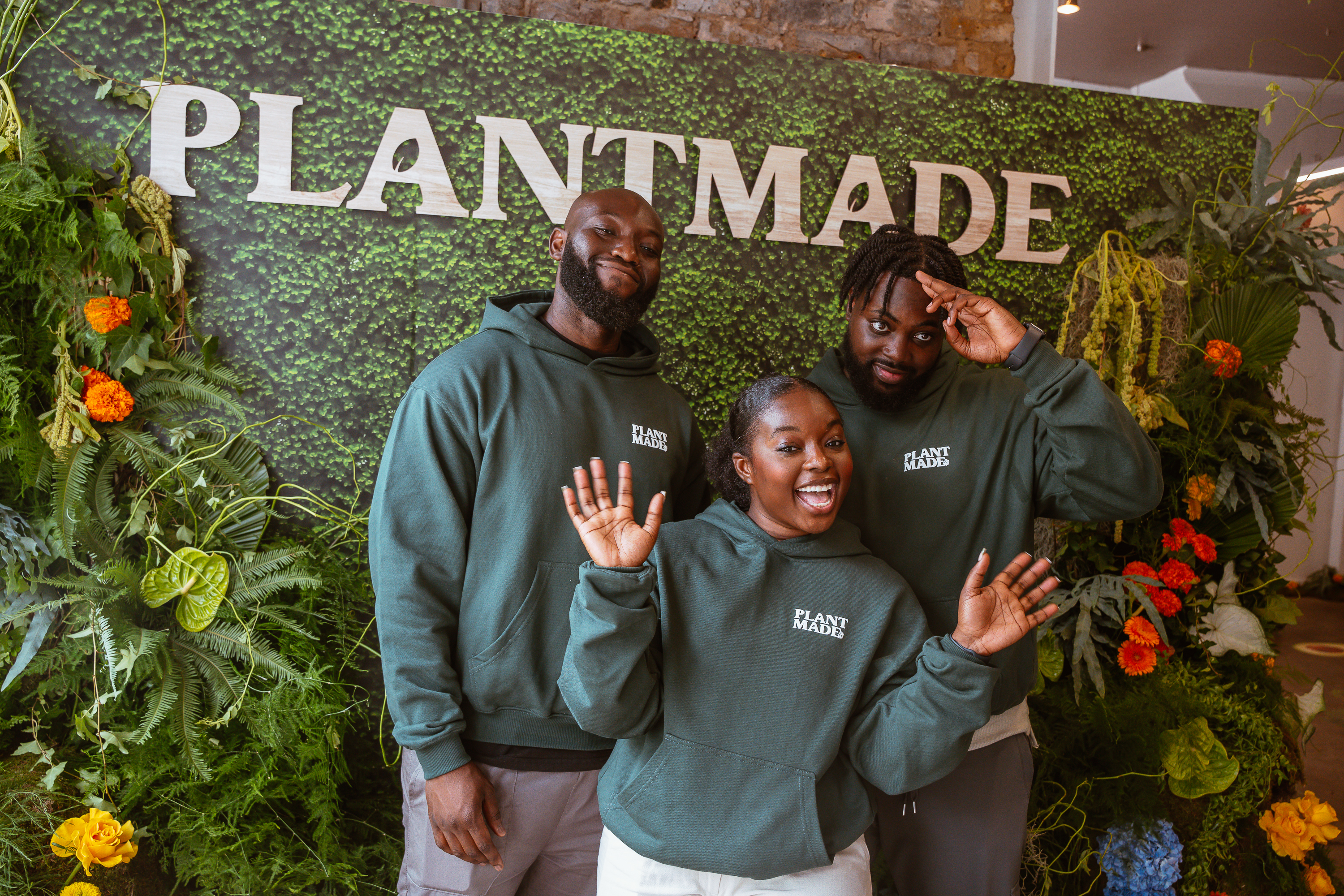
In 2020, Ama Amo-Agyei invested £50 with her brother to make vegan haircare products in her mum's kitchen. By 2024, Plantmade was turning over millions and landing on the Sunday Times fast-growth list. By June 2025, the company owed £1.8 million it couldn't pay. Three months after that, it was sold for £30,000.
Thirty thousand. For a brand doing eight figures. That's less than the price of the stock it was probably sitting on.
The internet says the business was stolen from its founder. Companies House tells a drier but more useful story. And the truth is messier than either version, because Plantmade wasn't killed by one bad actor. It was killed by the gap between how fast you can grow a brand and how slowly most founders build the boring stuff that keeps it standing.
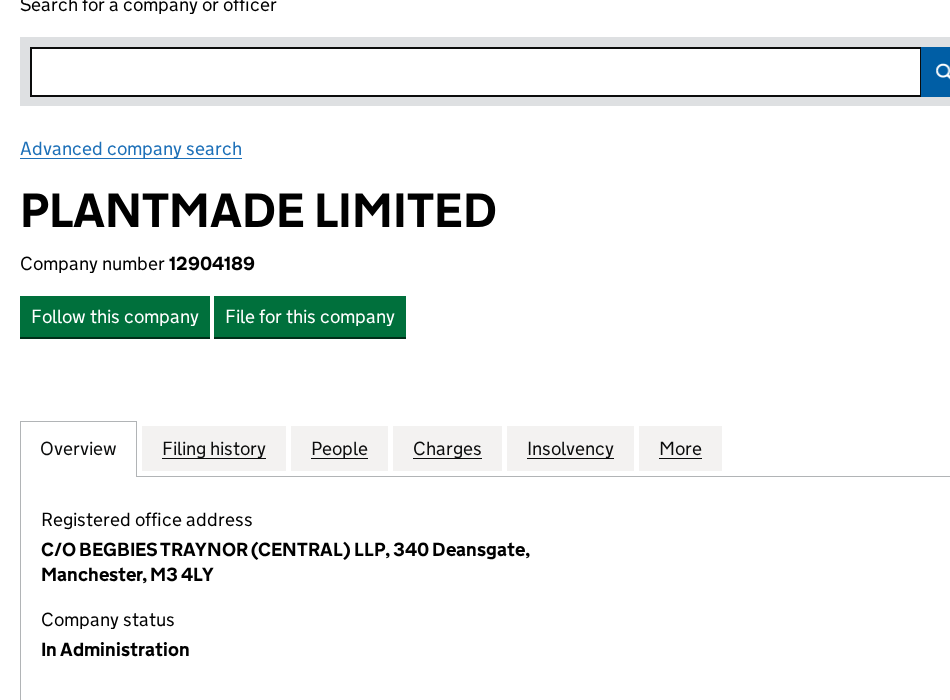
Eleven million in, nothing to show for it
The growth numbers were real. £300k in year one, £1.3 million in year two, scaling from there into the kind of revenue that gets you press coverage and panel invitations. But the 2024 filings at Companies House show a net loss of £671,000 on that turnover. The business was selling plenty. It just wasn't keeping any of it.
The debt tells you where it went. Around £570,000 to Juni, a short-term lending platform. Roughly £400,000 in unpaid tax to HMRC. The rest spread across other creditors. When you owe half a million to a quick-money lender and nearly as much to the taxman, you aren't having a rough quarter. That's a business running on fumes and borrowed time, probably for longer than anyone publicly admitted.

We see this pattern constantly with fast-scaling SMEs and we call it the Scaling Trap. Revenue climbs, headcount grows, stock orders get bigger, overheads compound, but the financial controls stay exactly where they were when the business was doing £300k from a kitchen table. Nobody introduces management accounts, nobody builds a cash flow forecast, nobody ring-fences the tax. The top line looks healthy. Underneath, the cash is haemorrhaging.
£30,000 and the keys
Administrators were appointed on 17 June 2025. The same day, the registered office switched to the insolvency firm's address. Crown Holdings, led by entrepreneur Toni Fola-Alade, acquired the brand's assets for approximately £30,000 through a pre-pack deal. For anyone unfamiliar: a pre-pack means the sale is negotiated before the administration is formally announced. By the time creditors find out, it's already done.
Ama and her team were supposed to stay on through the transition. By October, Crown Holdings said the arrangement had "proved unworkable." Ama, her brother Fred, and her husband Travis Hill were all out. Ama's own statement was careful but clear: the new partners did not share the vision for the founding team to remain involved.

So the woman who started the company, named it, built its audience, and turned it into a multi-million-pound brand walked away with nothing. The new owner kept the name, the products, the recipes, the customer base, and all the cultural capital that came with them. You don't need a law degree to see why people are angry about that.
Was it stolen? Wrong question.
Legally, no. Pre-pack administration is a recognised insolvency mechanism. The company couldn't pay its debts, an administrator was appointed, and the assets were sold to a willing buyer. All within the rules.
But "was it legal?" and "was it just?" have never been the same question. Shea Moisture is worth thinking about here. Richelieu Dennis built Sundial Brands over two decades in the Black haircare community before selling to Unilever in 2017. Within a year, formulas shifted, marketing pivoted away from the core audience, and the community that had built the brand's reputation felt sidelined. Dennis at least walked away with a reported nine-figure payout and a seat on the board. Ama Amo-Agyei got neither.
Two different routes to the same destination. One founder sold high and watched the soul of the brand get diluted. The other lost control through insolvency and didn't see a penny. What they share is this: a Black founder built something with real cultural weight, and at the point it became most valuable, someone else ended up running it.
What £5,000 in boring work could have done
None of this was inevitable. But preventing it would have required the kind of operational discipline that doesn't get you followers or features. Nobody's filming a TikTok about their 13-week cash flow forecast. Nobody's getting invited onto podcasts to talk about their shareholder agreement. This stuff is invisible until the moment you need it, and by then it's too late.
A 13-week cash flow model would have shown the liquidity crunch coming months out. That's the window where you renegotiate lending terms, chase outstanding invoices harder, or cut discretionary spend. Once that window closes, the lender sets the terms. Or the administrator does.
Monthly management accounts would have shown exactly where the £671k was bleeding out. By product, by channel, by month. You can't course-correct on a loss that big if you're only seeing the full picture at year-end. By then it's a post-mortem, not a dashboard.
Ring-fenced tax reserves would have kept HMRC off the creditor list entirely. The £400k owed to them wasn't some freak tax bill. It was VAT and corporation tax that should have been set aside as it was earned, not spent on stock and growth and dealt with later. HMRC are patient until they aren't, and when they stop being patient, they go to the front of the queue.
A proper shareholder agreement with vesting, anti-dilution clauses, and founder removal protections would have meant Ama couldn't be pushed out of her own company three months after someone bought it for pocket change. Getting this drafted costs a few thousand pounds. Her entire brand sold for thirty.
Who this is really about
43% of Black-led businesses in the UK survive beyond 42 months. For white-led businesses, it's 67%. That gap isn't about work ethic or product quality. Black founders are statistically less likely to access institutional finance, more reliant on expensive short-term lending, and less likely to have the advisory relationships that flag structural problems early. That was exactly the terrain Plantmade was operating on, high growth, thin margins, expensive debt, and no one in the room whose job it was to say "slow down and look at the numbers."
Ama built something genuinely impressive from almost nothing. That's fact, not sentiment. But a business generating millions in revenue still had no cash flow forecast, no monthly management accounts, no tax reserves, and no legal structure protecting the founder's position. The question worth asking isn't whether the business was stolen. It's why a founder who'd proven she could build at that level still didn't have access to the operational support that would have kept her in control of what she built.
The ecosystem loves to celebrate Black founders on the way up. The press coverage, the "ones to watch" lists, the panels. Nobody's there on the way down. And the things that could have prevented the fall aren't glamorous. They're spreadsheets and legal docs and monthly reviews that nobody wants to attend. But that's the work that keeps founders in their own buildings.
Plantmade didn't need better marketing. It needed someone in the room six months earlier saying: your cash position is critical, your tax liability is growing, and you have no legal protection if this goes sideways. That conversation costs a few hundred pounds. Not having it cost Ama everything.
If something in this piece sounded familiar, it probably is. These patterns don't announce themselves until it's late. We run 30-minute diagnostic calls for founders who'd rather deal with the boring stuff now than become the next case study.
Book a Conversation